


If you’ve spent time exploring real estate listings in the Greater Toronto Area, you’ll notice that there are two categories of freehold houses: detached and semi-detached. On paper, the differences between these two properties may seem straightforward, but there are more considerations than a lot of buyers realize, especially in the long term.
For anyone approaching a home purchase in York Region or elsewhere in the GTA, it’s worth understanding just how different the experience of owning a detached versus semi-detached house can be. And that’s exactly what I’ll be breaking down in this blog post.
Let’s get started.
Searching for the perfect home? Browse my featured listings.
What’s the Difference?
In black-and-white terms, the primary difference between a detached and semi-detached house boils down to whether or not the property shares a structure (or parts of it) with another home.
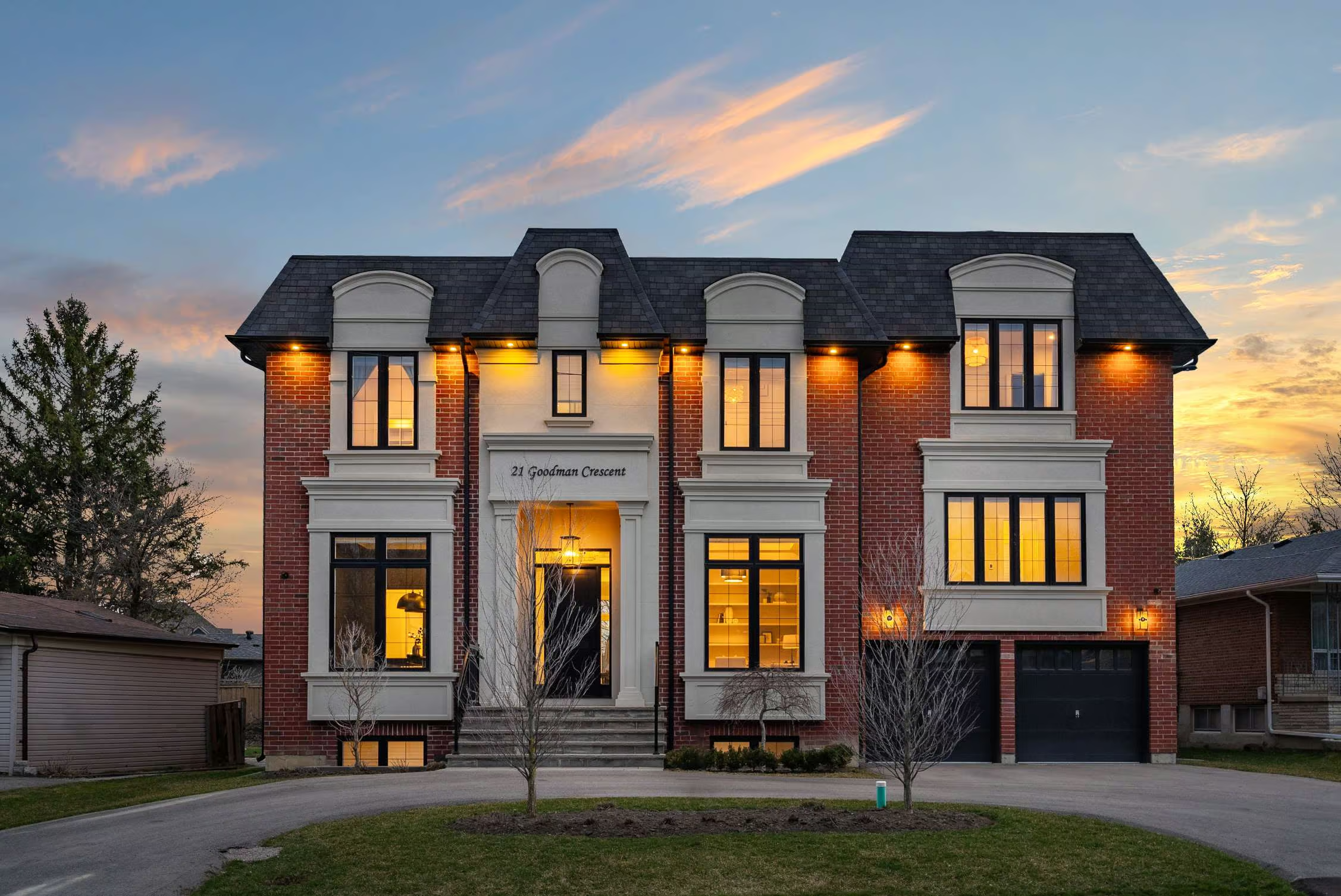
A detached house stands on its own. It’s not connected to another house, and there is some degree of outdoor space separating it from the nearest property.
On the other hand, a semi-detached house shares a single, central wall with another home (known as the party wall).
Thinking about buying a house? Check out these blog posts for more advice!
- What to Know When Going From a Condo to a House
- Should I Get a Home Inspection?
- Do I Need a Bigger Home?
How Can a House Be Semi-Detached?
Semi-detached is an interesting term. Since detached houses have such defined parameters, you’d think it wouldn’t be possible for a house to qualify only partially.
So, why are they called semi-detached houses instead of attached? Because semi-detached homes only share one wall with their neighbour, while other property types like rowhouses or townhomes typically share walls with multiple properties on either side of them.
On top of that, other aspects of semi-detached houses are much more aligned with detached properties. For example, there are no condo boards or communal maintenance fees on semi-detached homes, despite homeowners technically sharing certain parts of the property.
Choosing the Right Style For You
Now that we’ve covered the basics, let’s look at some of the key differences between detached and semi-detached houses in terms of ownership and lifestyle. If you’re looking for specific qualities in your next home, these insights will help you decide what property type will work best.
Space
In York Region, detached houses are usually larger than semi-detached properties, at least in terms of square footage. If you require a lot of space, starting your search with detached homes is the right way to go.
That said, if you’re simply looking for a house that feels open and spacious, both detached and semi-detached homes have options that fit the bill.
Privacy
Lifestyle-wise, one of the most notable differences between detached and semi-detached homes is privacy. Owning a semi-detached house means living in close proximity to your neighbours. This can have its perks, but it can also come with headaches on occasion.
In a semi-detached house, there may be some level of residual noise coming from the neighbours’ place. While not always a dealbreaker, it is a reality of living in this type of home. Detached houses, on the other hand, are naturally quieter and more private. With no shared wall, external noise is minimal to non-existent.
Of course, every property is unique, and there are plenty of quiet, private semi-detached houses out there. If you have concerns about noise or privacy, be sure to tell your Realtor.
Customization and Renovations
Last but not least, there are some noteworthy differences between detached and semi-detached houses when it comes to renovations or making changes.
In a detached house, you can make all the renovations you want as long as they’re up to code (specifically Ontario’s building code). Renovating or modifying a semi-detached house, on the other hand, is more complicated.
While you can make changes to a semi-detached house, there are regulations and restrictions in place for any projects that could impact your neighbour’s quality of life or property value. It’s a good idea to do your research (or even better, ask a lawyer) before jumping into renovations.
If you do decide to undertake renovations before or after moving in, it’s important to maintain open communication with your neighbours and ensure that your project is compliant with local bylaws and regulations.
Things can get a little more complicated for projects that may directly or indirectly impact the party wall. In these instances, you and your neighbour will need to sign a legally binding Party Wall Agreement outlining plans, timelines, and each party’s rights and responsibilities.
Need tips on buying a house? Read these blogs next.
- When is the Best Time to Buy a House?
- Best Family Neighbourhoods in York Region
- Moving Up: Should You Buy or Sell First
Start Your Home Search in York Region
No matter what your ideal home looks like, you’ll want a professional expert by your side as you navigate the market. That’s where Naccarato Group comes in.
As leaders in York Region and the Greater Toronto Area, our market insight, neighbourhood expertise, and advanced buying strategies help you find the perfect home for your next chapter.
If you’re looking for some honest, straightforward, and results-based advice, send us an email or fill out the contact form on this page.
We’ll get in touch and take the time to get to know you and your specific situation, and come up with a plan together to make this as easy a process as possible!
Buying a house? We can help you find a great home! Get in touch at christian@naccaratogroup.ca or call (647) 492-6508.

York Region Real Estate Experts
Meet the team with the local knowledge you need to get ahead, whether you’re buying or selling a family home, or making a business move in a new direction.